Author: Chad Symens

Toys R Us Files for Bankruptcy

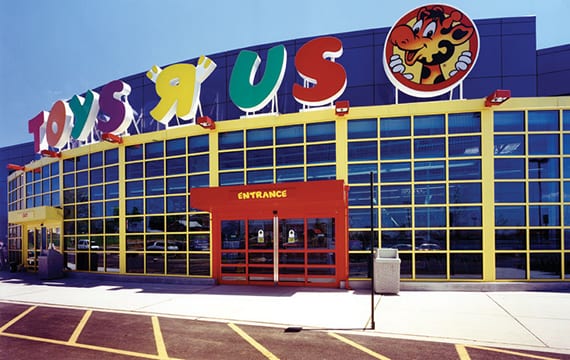
Late last Monday, iconic brick-and-mortar toy retailer Toys R Us filed for chapter 11 reorganization. Once a toy mecca with with their jingle on the tips of every Reagan-era kids’ tongue, more recently Toys R Us has accumulated a heavy debt load that has weighed on the company for years. Combined with tough competition from online retailers, the retailer became the latest casualty in a wave of retail bankruptcies this year.

The bankruptcy filing comes just ahead of  the holiday season, the busiest time of year for Toys R Us. The company said it plans on keeping its 1,600 Toys ‘R’ Us and Babies ‘R’ Us stores open across the world, though the Wall Street Journal reported that the company will eventually close some of its underperforming locations as part of the bankruptcy process.

CEO Dave Brandon on Monday called the retail landscape “increasingly challenging and rapidly changing” but said he was confident that the Toys ‘R’ Us brand will “live on for many generations.”

The company described the bankruptcy as a way to work with its creditors to get back on solid financial footing and invest in long-term growth in a difficult retail environment.

“Today marks the dawn of a new era at Toys”R”Us where we expect that the financial constraints that have held us back will be addressed in a lasting and effective way,” said  Brandon.

According to USA Today, that new era means reemerging on the cutting edge of the retail world with Toys R Us Rebrandinginteractive spaces to thrill both adult and their young customers.

Toys R Us stores will be interactive spaces with rooms to use for parties, live product demonstrations put on by trained employees, and the freedom for employees to remove products from boxes to let kids play with the latest toys,” commented Brandon.

While the store concept transformation will take time and follow other investment initiatives, more immediately, the toy retailer will hire part-time, seasonal workers to staff its stores for the holidays, including the new position of “store demonstrator.” They plan to hire additional cashiers, sales associates, stock associates and staff for their warehouses. Toys R Us has not disclosed  the number of people it plans to hire nationwide, though its announced openings for seasonal jobs in some of the biggest U.S. states exceed 12,000 part-time jobs. The company currently employs approximately 64,000 people.

Sources: USA Today, Reuters, NRF Smartbrief

How did Canadian Retail do in July?

Many Accelerated Analytics customers use our portal to get their Canadian retailers’ reporting, such as Nordstrom, Sephora, The Home Depot, Lowe’s and Canadian Tire. Canadian sales in July were mixed. The value of retail sales rose 0.4% to $39.82 billion (US dollars conversion). Year-over-year, nominal retail sales rose 7.8%. The retail segment (excluding auto) rose by 0.2% in July. The Canadian economy saw a decline in July after 12 strong months of growth, but mostly attributed to exports and factory shipments. Those declines were offset by retail growth being added to the equation. Six of eleven retail sectors saw increases, including auto, food and beverage, and health and personal care. Building materials and garden equipment were slightly done, by 0.2% in dollar sales.

Accelerated Analytics Sponsored the 2017 HIRI Insights Conference in Chicago

HIRI Sponsored by Accelerated Analytics

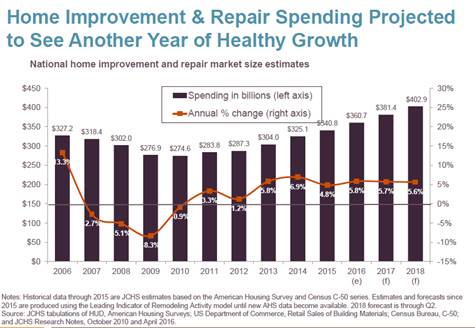
Accelerated Analytics’ CEO, Chad Symens, and Director of Sales and Marketing, Jen Freyer, attended and sponsored the Home Improvement Research Institute event in Chicago this week. HIRI saw a record turnout of attendees at this 2-day event. Home and hardware vendors and retailers joined industry leaders to share insights into the current and future market of retail and the economy in this sector. The speakers brought many common themes to their topics. Home improvement projects are on the rise as millennials start to purchase their first homes and are buying older homes that need renovations. Generation X and Baby Boomers are staying in their current homes longer, adding projects from basement restorations to bath and kitchen remodels. The experts agreed that repair and remodeling spending will continue to go up in the next year. The biggest areas of home improvement projects also include adding technology to make homes “smart”, energy efficiencies, exterior landscaping and outdoor living, and retrofitting older homes. Estimates are that there will be a 57% increase in DIY spending, as many homeowners are trending towards doing multiple and bigger projects all at once. Consumers are indicating they want to invest in their homes and their family circle. Consumer confidence is high and unemployment is low, both great indicators of continuing the upward trend. The Home Depot and Lowe’s both produced very high same-sales in Q2 of this year. Accelerated Analytics’ vendor customers saw even higher gains than that, by tracking stock levels and making informed choices with regard to their product mix in those stores.

Enhancing the DIY Brand-Retailer Connection

Enhancing the DIY Brand-Retailer Connection: A View from Behind the Scenes

As the U.S. housing market continues to strengthen, consumers are buying houses and making them their dream homes through DIY improvements. And, when these consumers delve into painting, sanding, tiling and rewiring—perhaps as first time projects—they visit their local home improvement center, looking for help. How do the retailers help consumers know which products to choose from between multiple brands?

Think about this from a retailer’s perspective: with a limited amount of space and a plethora of products, how do you determine product placement so you’ll provide the customer with an excellent selection but also ensure your shelves are stocked with products that will sell?

Now, from a brand’s perspective—how do you get your product on the retailer’s shelves and ensure they stand out to both the retailer and the customer?

Many brands in home improvement find the answers to those questions by turning to Greg Corey, founder of Porchlight, a creative design agency. Greg’s company builds brands, designs packaging artwork and structure, and creates 3D renderings and planograms, mostly for customers that sell to home improvement stores. He helps brands stand out from the competition, and helps retailers improve sales through analysis and product positioning.

Greg provides a unique perspective of how brands can benefit from product packaging and positioning, and how they can use technology and data to improve marketing, ultimately helping brands, retailers and customers.

Learning the Home Improvement Market from the Ground Up

Greg started working at the Home Depot while still in college, collecting shopping carts and selling tiles, doors and lumber. After graduating with a degree in communications, he put his advertising and graphic design knowledge to work in the Tampa divisional office. With several jobs over the next ten years, Greg amassed knowledge of the home improvement market and eventually launched Porchlight in 2003.

How Brand Packaging Increases Presence in DIY MarketDIY Retailer Connection

“I work with companies of all sizes – from startups to Fortune 100s,” Greg says. He helps companies develop their brand identity and create their packaging in an effort to get his clients’ products in big box stores.

“Should the product be in a box or a clamshell? What color should it be? Where should the logo live? For point of sale merchandise, is it on a shelf or on a floor display? We always create a digital 3D mockup, but at what point should we build a physical mockup?” These decisions can make all the difference in the success of a product, Greg explains.

Clients appreciate the services Porchlight offers – whether it’s B2B or B2C. “If a client has a new product idea, we bring their concept to life and get them in the door at the retailer. If our client has an existing product in a big box store, we guide them in selling that product to consumers.” Greg says. He can help a brand differentiate a commodity product or help create packaging that highlights a regional product, or help a regional product go national. At the end of the day, brands, retailers and Porchlight are striving for the same goal, Greg says: to increase sales.

How Brands Can Grow in the Home Improvement Industry

In the U.S., the DIY home improvement market is expected to grow at a compounded annual growth rate of 6.01% between 2017 – 2021. That means steady opportunities for the brands, but, Greg says, brands don’t always use the wealth of data available to take advantage of these opportunities.

  • Point of Sale (POS): Brands often come to Greg wanting a product to have more of a DIY or professional look, but the brand marketers don’t always have or share a tactical approach based on data. “As designers, data helps us understand what the problem or opportunity is and be able to capitalize on it,” Greg says. By relying on data, not emotion, brands get a clear idea of what consumers want. Marketers can also use POS data to measure product performance by store, i.e. how store layouts, product mixes and competition affect sales.
  • SKU Store data: DIY brands are just starting to look at SKU-Store data rather than total numbers. DIY brands can better partner with retailers, sharing data. Retailers know their stores, but aren’t always experts on each category or brand. They rely on the brands to present their expertise, Greg says. Analyzing online sales is key, as it allows marketers and retailers to track individual customer movements, i.e. looking at an item online, clicking on it putting it in the shopping cart, and analyze any particularly successful or unsuccessful steps in the process.

It’s an exciting time for the home improvement market, Greg says. The data available to analyze customer behavior is changing the way brands think about processes and packaging, Greg says. Merchandising is improving as we see more technology in stores, such as interactive displays, iPads, videos and the ability to order directly from kiosks, he says.

Although Porchlight and Accelerated Analytics service brands in different ways, we collaborate because we both share a passion for retail success across the DIY/home and hardware brands we work with, and have crossover potential customers.

At Accelerated Analytics, we’re also excited about the opportunities in store for the DIY market. And, as the market grows, we’ll continue to provide the support, resources and products you need for continued success.

New Concept Store, Nordstrom Local, Opens Next Month

Nordstrom Local New Concept Store

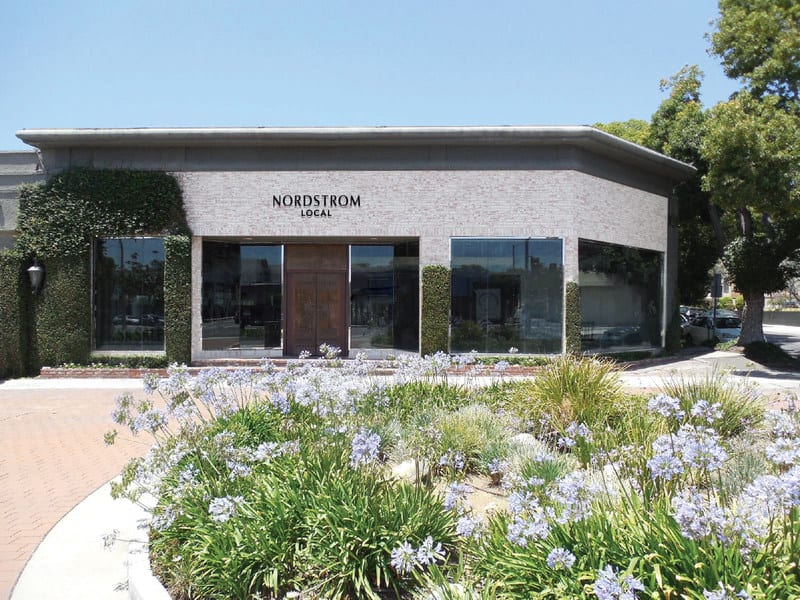
Next month will see the opening of Nordstrom’s new concept store, Nordstrom Local. The store will open October 3 in West Hollywood, CA and will be only 3,000 square feet, versus its traditional store size of 140,000 square feet. Nordstrom Local is the company’s latest retail concept and neighborhood hub where customers can shop and access Nordstrom services in a convenient, central location. Nordstrom is continuing to open traditional sized stores, including one in Toronto this week. Shoppers at Nordstrom Local will be able to enjoy services such as manicures and tailoring. The store will have 8 dressing rooms, where customers can try on clothes and accessories that will be retrieved by personal shoppers from 9 traditional Nordstrom stores in the area. The stylists can also pull together products through a style board app. Shoppers can go online and pre-select products to try on during their appointment, or trust the personal stylist to select items for them. A café will also be in the store with wine, beer, coffee and juice. Says Nordstrom’s senior VP of customer experience, “Shopping today may not always mean going to a store and looking at a vast amount of inventory.”

Souce: Wall Street Journal

US Manufacturing Reaches a Six-Year High

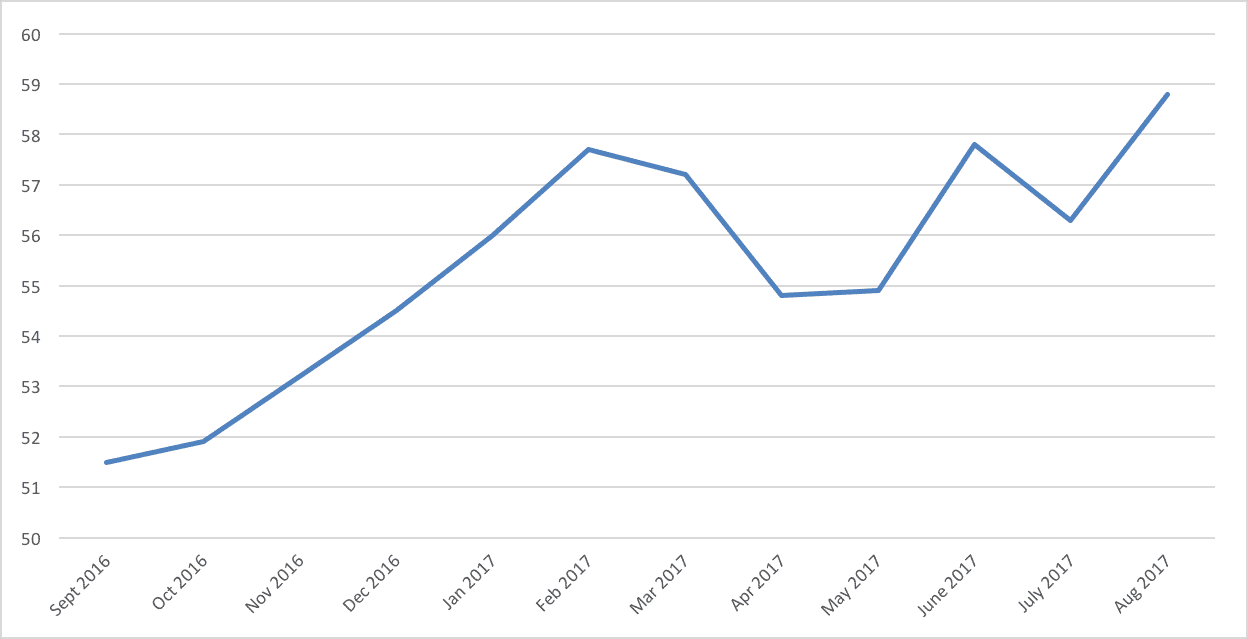
The Institute for Supply Management announced on Friday that manufacturing in the US reached a six-year high, seeing activity rise to 58.8 on its index versus 56.3 in July. This is the highest the index has risen since April 2011. This number indicates strong global growth in manufacturing and increased consumer and business confidence in the economy. The report also recorded a rise in hiring among manufacturers and an increase in sales. US output grew by 3% this past quarter and economists project similar or higher growth in this current quarter, continuing the trend. Of the 18 manufacturing industries that make up the report, 14 reported growth in August, including textile mills and computer and electronic products. Comments from the institute panel indicate expanding business conditions, new orders, higher production and increased employment. Chemical products showed “steady demand”, and “demand for light construction equipment continues strong; usually this time of year demand slackens”.Supply Inventory Management

Stay up to date with the Institute for Supply Management’s Manufacturing Support each month  by subscribing to Accelerated Analytics’ Retail Industry Briefing Book. The RIBB is a 50+ page monthly report that includes key retail and economic data such as retailer stock prices, macro economic indexes, weather outlooks and much more. Visit our RIBB subscription page to request a free subscription.

Sources: Institute for Supply Management, Wall Street Journal

August Consumer Confidence Index at its Highest Since 2000

Consumer confidence rose to 122.9 in the August Conference Board’s Consumer Confidence Index, up from 120 in July. Consumers finding business conditions to be “good” increased 2%, to 34.5%. Consumers also assessed that the labor market was improved, rating jobs are “plentiful” at 35.4%. Those claiming jobs were “hard to get” decreased from 18.7% to 17.3%. Optimism for the future in the short term stayed flat. The percentage of consumers who felt business conditions would improve over the next 6 months decreased slightly, while those who felt business would worsen declined about the same amount.Consumer Confidence Index

Stay up to date with the Confidence Index and several other Conference Board economic indicators by subscribing to Accelerated Analytics’ Retail Industry Briefing Book. The RIBB is a 50+ page monthly report that includes key retail and economic data such as retailer stock prices, macro economic indexes, weather outlooks and much more. Visit our RIBB subscription page to request a free subscription.

Source: Chain Store Age, The Conference Board

Home Depot and Lowe’s Donate to Help Hurricane Harvey Victims

With the devastation in Texas from Hurricane Harvey comes help from the two home improvement center giants. The Home Depot Foundation donated $300,000 to the Red Cross, and in its corporate home of Atlanta, the retailer opened its Disaster Response Command Center. Their merchandising, operations and supply chain teams are continuously sending products to stores on the Texas coast. Lowe’s also made a donation to the Red Cross in the amount of $500,000, and customers in the state of Texas can make Red Cross donations in their Lowe’s stores.Home Depot and Lowe's Donate to Victims

Harvey is the first category 4 hurricane to make landfall in the US since 2004. Houston has been hit hard before – In 2001, Tropical Storm Allison hit and dropped 28 inches of rain in less than 24 hours, with a $5B impact to the city.

Initial estimates to lost retail sales alone, unable to be recovered, is $1B. Home Depot, Lowe’s and other home centers tend to see an increase in traffic prior to the storm as people prepare, and after the storm as repairs need to be made. However, during the storm there is lost sales and traffic as stores are closed and people are unable to get to them. Malls and apparel stores will get hit hard, as stores are closed and traffic slows. People also focus their spending on need-based purchases.

Retailers with a large presence in Texas include Dillard’s, Stage Stores, Fred’s Stores and Hibbett Sports.

Sources: Mediapost.com, Planalytics.com

Accelerated Analytics Customers Crush TY/LY Comps at The Home Depot

Last Year Reports for Home Depot Customers

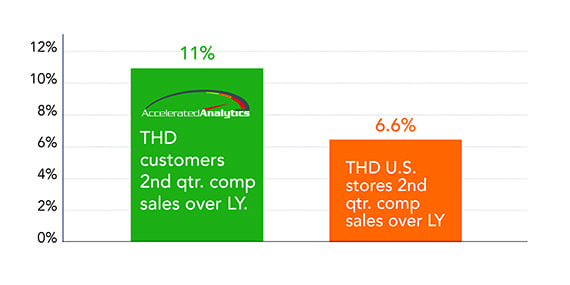
Accelerated Analytics customers who sell their products at The Home Depot saw their second quarter comp sales increase 11% over last year! That’s nearly double the results reported by The Home Depot when they recently released their second quarter results. In a blog post on August 15th, we shared The Home Depot’s Q2 results which included reported sales of $28.11 billion for the second quarter of fiscal 2017, the highest quarterly revenue in the company’s history. Comparable store sales for the second quarter of fiscal 2017 were positive 6.6 percent.

DIY, Home and Hardware vendors count on Accelerated Analytics to provide an expert reporting solution that empowers their sales, marketing and store operations teams. Our product and store level analytics provides the insights needed to exceed sales goals, increase orders to fully stock their shelves, test plan-o-gram efficiencies, and prepare for line reviews.

Our customers truly are winning at retail because we understand the home improvement retail business inside and out and provide a solution that is specifically targeted to, and designed for, a DIY vendor.

Why Data Scientist is a High Demand Job in Retail

Data Scientist in Retail

Despite ever-growing announcements of store-closings and retail layoffs, there’s one retail job that is still in high demand: data scientist.

With the explosion of e-commerce, brick-and-mortar stores are facing increased pressure to deliver an exceptional shopping experience to their customers; they have to find new ways to compete.

U.S. consumers still make about 85% of their purchases at physical stores, but with tougher competition, retailers and brands need an edge when it comes to nudging consumers toward a purchasing decision. That’s where the data comes in.

Retailers have traditionally made pricing, inventory and placement decisions based on the experience and intuition of their managers. But now data can answer those questions for you with more accuracy, without bias and in less time.

“Data is your friend,” said Jay Samit, a vice chairman at technology consulting firm Deloitte Digital. “Data has no ego. Data will never steer you wrong.”

According to a recent article on Bloomberg.com, major retailers like WalMart and Macy’s are ramping up their use of data and expanding their data teams.

“Five years ago, if you were to say there was a team of Ph.D. data scientists at Macy’s that are thinking about our most strategic problems, people would have thought you are crazy,” explained Chief Strategy Innovation Officer Justin MacFarlane at an investor meeting in June.

But the team has come together “very, very quickly,” MacFarlane said. “And the real power of data and data analytics is focusing those resources and that talent on the core business.”

Source: Bloomberg.com