
In a new report titled “How We Shop Now: What’s Next?,” Westfield London has unveiled five key trends that they believe will shape the retail industry of tomorrow. Combined, the trends paint a picture of what the store of the future is likely to look like, and the report reveals that customers will be looking for richer shopping experiences and will expect physical retailers to go beyond the transaction. The five key trends identified are:
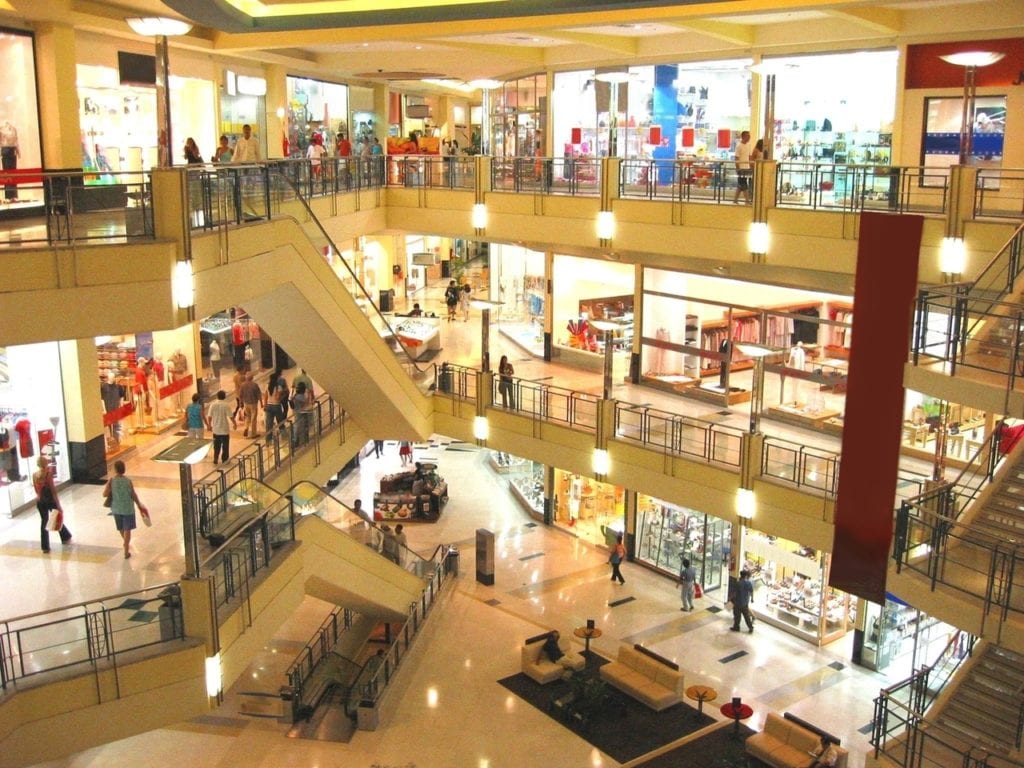
People are increasingly interested in retailers adopting the “sharing economy” made popular by companies like Uber and Airbnb. The trend is strongest among Millennials, and exercise equipment, cars, consumer electronics, bikes and clothing top the list of items people want to rent.
Classroom Retail: Stores are not just for shopping anymore. Increasingly, shoppers view retail stores as classrooms where they can learn new skills and build their social networks. Examples include health and fitness sessions at the local sporting goods store and cooking classes at a home goods store.
Lifestyle Loyalty: There is a new consumer demand for loyalty programs that reward good lifestyle choices rather than just monetary transactions. As many as one fifth of UK consumers find lifestyle rewards appealing and would like to be rewarded for recycling, exercising, spending time with family, getting enough sleep and volunteering.
Enhanced Assistance: Consumers are interested in using new technologies, such as virtual reality, to bring in-store products closer to their everyday lives. 41% of people in the UK would like to use technology to experience how products would look in their homes and 33% would like to use technology to see how clothes would look on them.
Inside-out Retail: A sensory retail experience is becoming increasingly important to consumers. All five senses were deemed to enhance the shopper experience with vision and touch coming out on top.
Download the full report here.
 “One of the big differences between this and last time is obviously this time we have the unanimous approval and support of the board of directors of Rona as well as the management team” said Robert A. Niblock, Lowe’s chairman, president and chief executive. “We’re in a much better place than we were in 2012.”
  Retail veterans Ronny Shmoel and Albert Liniado are bringing back Circuit City, once the number one big-box tech chain in the marketplace before filing for bankruptcy in 2008. Their ambitious plan includes retail outlets, web sales, branded and private-label products, licensed kiosks, mobile shops and franchise opportunities, all under the iconic red and white banner. The first store is expected to open in June, most likely in the Dallas market, and the relaunch of circuitycity.com is expected to happen at approximately the same time.
 That’s despite successes that were in stark contrast to their competitors. Amazon posted record profit last quarter and double-digit sales growth over the previous year. Prime memberships grew by 51% last year and according to a Consumer Intelligence Research Partners study, just under half of all U.S. households subscribe to prime.
 In its report series “Taking Stock of CPG Past and Future: Gear Up Now for a Year of Growth“, IRI reflects on the lessons learned in 2015 and provides insight into several key trends that will drive growth in 2016.
 The first winter storm of 2016 slammed the Northeast and Mid Atlantic last Friday and Saturday leaving much of the area paralyzed. Despite warmer temperatures early this week, many areas are still recovering and some schools and businesses remain closed as local governments and residents dig out from up to 2 ½ feet of snow and ice.
 The NRF’s Big Show wrapped up on Wednesday after record attendance, and, as we unwind from an exciting week in New York, we find ourselves reflecting on the event as a whole and on the key takeaways that will impact Accelerated Analytics in 2016.
 Twelve major retailers released holiday results last week confirming what was arguably one of the most unusual holiday shopping seasons in recent history. A combination of economic factors, evolving consumer behaviors and an increasingly competitive marketplace provided a challenging and unpredictable backdrop for holiday sales this year. The following are some of the most notable results.
 With many Americans suffering from a holiday-spending hangover, it’s not surprising when we see a lull in spending in January. Coupled with abnormal weather conditions across the country and an uncertain economy, consumer spending is likely off to a slow start this month.