Author: Chad Symens

How Millennials are Revolutionizing the Beauty Industry

For the multi billion-dollar beauty industry, appealing to millennial consumers – the largest generation in America – isn’t just a good idea, it’s crucial.

According to market intelligence agency Mintel, the beauty industry saw revenues of over $46 billion in 2015 and is projected to grow to over $51 billion by 2020. Women ages 18 to 34 are the biggest portion of the $13 billion dollar cosmetics market and they’re the most likely to be heavy buyers, meaning they purchase more than 10 types of products per year.

But, when it comes to beauty products, millennials are suspicious shoppers. Burned by stressful counter experiences and exaggerated magazine reviews, they’re distrusting. Their skepticism is impacting how, why and where beauty purchases happen, and the industry is evolving in response, effectively changing the way all consumers shop for beauty.  Here’s a summary of the changes you may notice:

Try Before You Buy

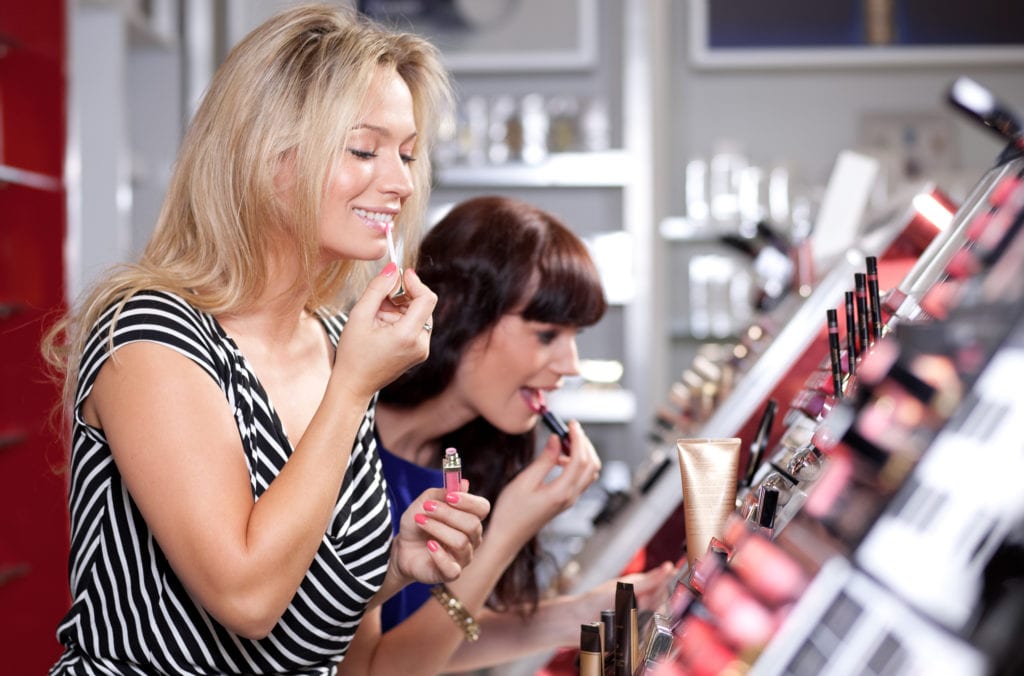
Product testing is vital to today’s beauty buyer. Online beauty purchases are down and stores like Ulta and Sephora, where trial stations and testers are the norm, are growing. According to a survey conducted by TABS Analytics, Ulta experienced a 41% increase in regular buyer purchases in 2015 compared to 2014. And Sephora reported a 25% increase in buyer penetration and a 32% increase in regular buyer purchases last year over the previous year. Clearly, consumers want to try before they buy. And retailers are listening as more offer samples and bring products out from behind counters.

A-La-Carte Beauty Solutions

According to the TBAS Analytics report the big brands, like Accelerated Analytics’ customers L’Oreal, Estee Lauder and Clinique, among others, are still going strong. What does seem to be changing is the belief that any one brand can provide all solutions to all of their problems. In other words, millennials like to have a choice. This means the door is opening wider for niche and specialty lines like Anastasia Beverly Hills which has seen significant growth. “The consumer has demonstrated a very high capacity to try and use multiple brands and that tendency seems to be growing over time,” says Kurt Jetta, Ph.D., CEO and lead product developer for TABS Analytics.

Fewer Sales People

While 90% of beauty purchases are still made at brick and mortar stores, today’s buyers are researching before they buy and thus taking the experience into their own hands. Beauty consumers are turning to online reviews, beauty blogs, YouTube, and the advice of friends prior to their purchases. All of this pre-purchase research boosts buying confidence and helps match expectations with reality, but it also means that the traditional makeup counter salesperson is becoming obsolete. They’re being relegated to a supporting cast member that shoppers only seek out when absolutely necessary.


Source: www.racked.com
Save

Overregulation: Burdening America’s Small Retailers

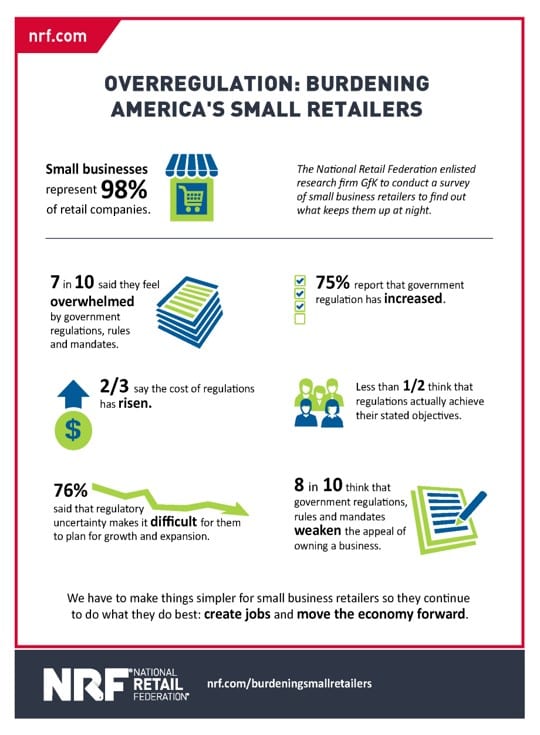
In an effort to gauge the views of small business retailers on the overall economic environment, the health of their individual businesses and the impact of public policies, the National Retail Federation commissioned a survey that was conducted online by GfK in December 2015 and January 2016.  752 small business owners participated and they represented a balance among demographic factors including gender, age, political ideology and geographic location.

The survey found that government regulation is a consistent point of difficulty for small retail businesses. Eight out of ten stated that government regulations actually weaken the appeal of owning a small business, and seven out of ten retail small business owners feel overwhelmed by rules and mandates on how they operate their business. The infographic below shows a sneak peak of the study and the full report is available on the NRF website at https://nrf.com/resources/retail-library/overregulation-burdening-americas-small-retailers.

Source: nrf.com

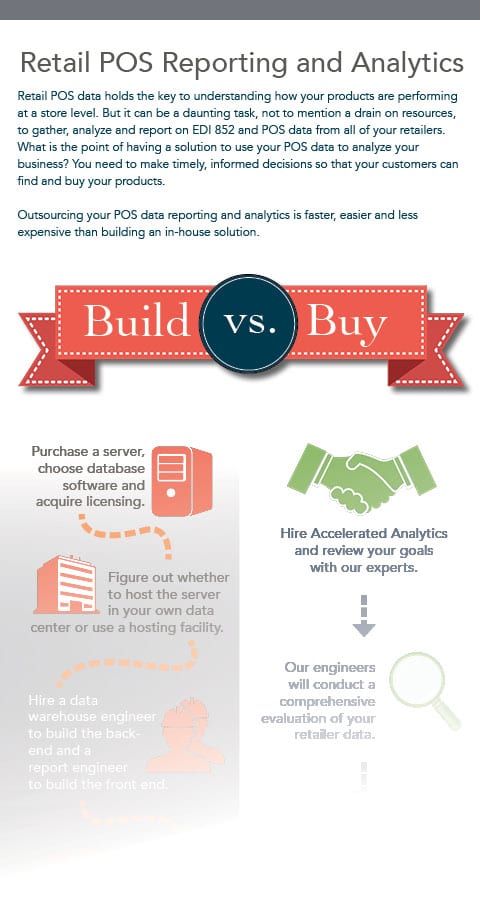
Build vs. Buy: Outsourcing your POS data-reporting and analytics is faster, easier and less expensive than building an in-house solution

Retail POS data holds the key to understanding how your products are performing at a store level. But it can be a daunting task, not to mention a drain on resources, to gather, analyze and report on EDI 852 and POS data from all of your retailers. Our newest infographic compares building an in-house solution to outsourcing your POS data-reporting an analytics. While there are beneifts to each approach, outsourcing the solution is faster, easier and less expensive. Complete the form below to request our FREE infographic!


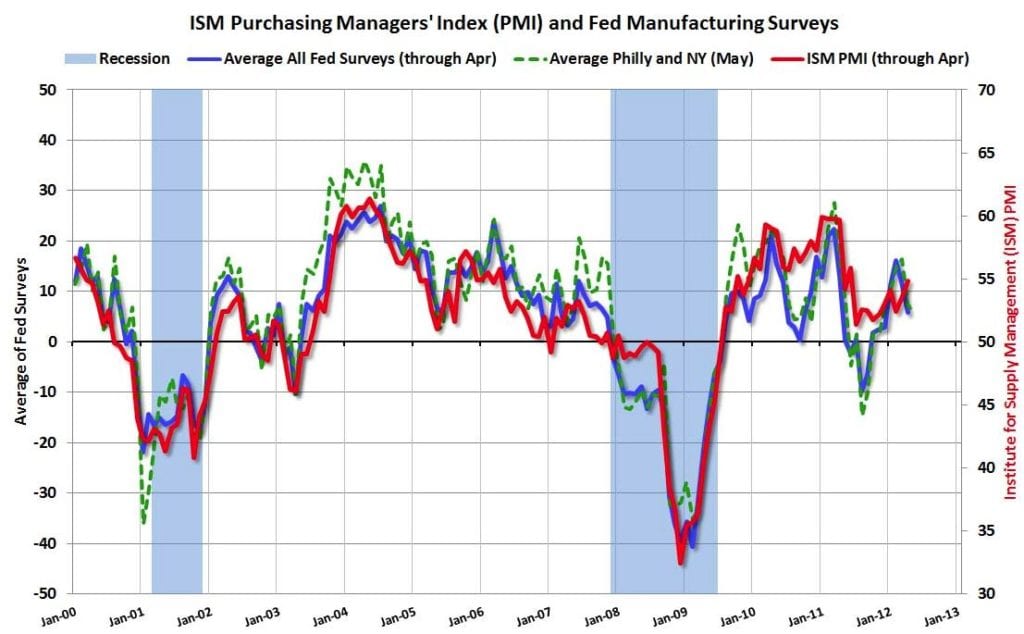
US MANUFACTURING INDEXES TAKE A DIVE; STOCK LEVELS REACT

The New York Empire Manufacturing Index dropped to -9.02 from April’s positive 9.56 in May, missing estimates for a slight decline to positive 7.0. Stocks reacted negatively to the news, but were offset by gains in the energy and industrial sectors. Domestically oriented US manufacturers are seeing steadier business with bright auto, housing and job markets, while global manufacturers are struggling in markets from Brazil to Europe to China.

“Domestic demand is what has been supporting the manufacturing sector overall and preventing a sharper downturn,” said Gregory Daco, chief U.S. economist at Oxford Economics. “Domestic-oriented sectors are faring relatively well.”

Earlier in May, the Institute for Supply Management also reported its index results, but showed manufacturing activity already falling from March. A strong US dollar and low oil prices, plus weakness overseas, depressed demand for US exports.

The Philadelphia Federal Reserve also reported a decline in its index, reporting that mid-Atlantic manufacturing activity declined for the 8th time in 9 months.

These reports maintain the overall picture of sluggish economic growth, and a newfound possibility that the Federal Reserve could raise interest rates as soon as June.

Sources: WSJ, Nasdaq.com, Investors.com, CalculatedRiskBlog.com

CONGRATULATIONS 2016 GRADUATES! GRAD GIFT SPEND HIGHEST IN 10 YEARS!

The National Retail Federation (NRF) reports that 2016 graduation spending will reach a 10-year high this year, with spending expected to reach $5.4 billion. Americans celebrating high school and college graduations give special gifts, and retailers are offering a lot of options for the best gifts possible. Retailers will need to keep graduation gift items up front and in stock, and advertise locally for shoppers who look online before going shopping.

NRF’s 2016 Graduation Spending Survey revealed the average person buying graduation gifts will spend $106.45, up 3.9% from last year. Each individual graduate should not get too excited, though – the average shopper is buying for 2 graduates this year, so the spend is higher but spread out among more recipients.

Not helping retailers is the fact that cash is the most popular gift, given by 56%. Greeting cards, with the cash inside, will make up 39% of spend. This is followed by gift cards at 31%, clothing at 14% and electronics at 11%.

While the amount of spend averages $106.45, the age group of the gift giver makes a difference. Spending by those aged 45-54 will average $120.74, compared with $78.08 from those 18-24.

Source: NRF.com

HOUSING GAINS AND MILD WEATHER KEEP HOME DEPOT GOING STRONG

The Home Depot’s stock opened at a record-high level today, after announcing they topped first quarter expectations. Mild weather and a strong housing rebound are attributed to their successful first quarter. Revenue increased to $22.76 billion from $20.89 billion. Same store year over year sales rose 6.5% overall,up 7.4% in US stores.

Chairman and CEO Craig Menear said the company saw “week to week demand spikes caused by weather variability”. Home Depot originally forecasted 2016 earnings of $6.12 to $6.18 per share, with revenue predicted to increase 5.1-6% and same store sales to rise 3.7-4.5%. With its positive first quarter, Home Depot now predicts 2016 earnings of $6.27, sales to rise 6.3% and same store sales to rise 4.9%.

Having cited a strong housing rebound as another reason for a strong first quarter, steady growth for the housing market looks like it will continue. The National Association of Home Builders reported continued strong sentiment in May. Low mortgage rates are fueling demand that have boosted expectations for home sales in the next six months to the highest level of the year. More housing data is due out later this week, including housing starts and existing home sales.

Source: US News & World Report, Wall S. Journal

APRIL RETAIL SALES REBOUND. WILL RETAILER STOCKS RECOVER?

Wall Street analysts are calling last week “Retail Wreck” due to numerous retailers’ news of poor sales, profits and future outlook on consumer spending. April retail sales came in higher than expected with a positive 1.3% gain, the highest gain in a year. Will strong sales in the first month of the second quarter help with a stock rebound for retailers?

Last week’s poor results were reported by many retailers, including Macy’s, Kohl’s and Nordstrom’s. Department stores are also responding to the strong online sales versus in-store that was reported, with online sales soaring 10.2% over last year. They are struggling with putting inventory in the right place to meet their increasingly complicated inventory and distribution demands.

Investors are waiting for home-improvement results this week from Home Depot, Lowe’s, Target and Wal-Mart to try to determine if the profit misses in the retail space is a problem just for department stores and apparel makers, or if it is a broader problem ahead for the consumer-driven US economy.

Sources: The Wall Street Journal, USA Today

RETAIL STOCK MARKET WAS A BEAR YESTERDAY, DROPPING TO WORST LEVELS SINCE 2011


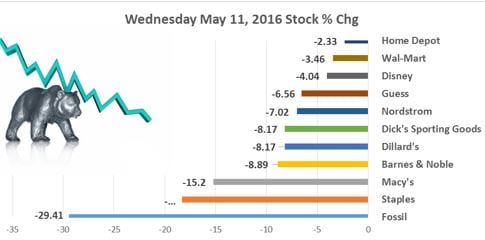
There were stock declines all over the retail spectrum yesterday, as consumers spend less than expected and shift spending from traditional department stores and retailers to nontraditional online retailers. The SPDR S&P Retail ETF closed down 4.44%, the worst since August 18, 2011 and down 15% over the last 12 months.

Macy’s is getting the most news of the day, closing down 15.2%. This caused CEO Terry Lundgren to lower its full-year forecast. Quarterly earnings for Macy’s exceeded expectations, but revenue came in below estimates.

April retail sales will be announced on Friday morning, and analysts are waiting to see what stock impact these results will have.

Other retailers with dropped stock levels yesterday include Wal-Mart, Home Depot, Nike, Fossil, and Disney, who dropped 4.04%, its worst day since January 15.

Source: CNBC, Wall St Journal

JC PENNEY’S BRINGS DIY COMPETITION TO HOME DEPOT, LOWE’S, BEST BUY AND SEARS

JC Penny’s announced Monday that they will be doing a major expansion into home appliances. Starting in July, JC Penney’s will add an appliance showroom to almost 500 of its stores. The showrooms will feature kitchen and laundry appliances from Samsung, LG, GE Appliances, and Hotpoint, with over 100 appliances on display.

“Since launching major appliances in 22 stores last February, the response has been outstanding,” said Marvin R. Ellison, CEO, JC Penney’s. “The pilot confirmed that we should not limit our business to apparel and soft home in order to achieve significant revenue growth.”

The retailer also plans to allocate additional 25% of floor space to window coverings in about 500 stores, and pilot a new furniture line, Signature Design by Ashley, from Ashley Furniture, in 25 stores.

JC Penney’s is also testing an in-store flooring concept with Empire Today in stores in Tampa, Florida, and Washington, D.C., beginning this summer. “The current housing market presents a lucrative opportunity to diversify our Home assortment and strategically align with consumer spending patterns,” Ellison said.  “By combining our soft home and window coverings merchandise with the industry`s leading brands for appliances, furniture and flooring, JCPenney will become a destination for home design and redecorating, allowing us to weather-proof our business during seasonal periods of the year.”

Source: Chain Store Age

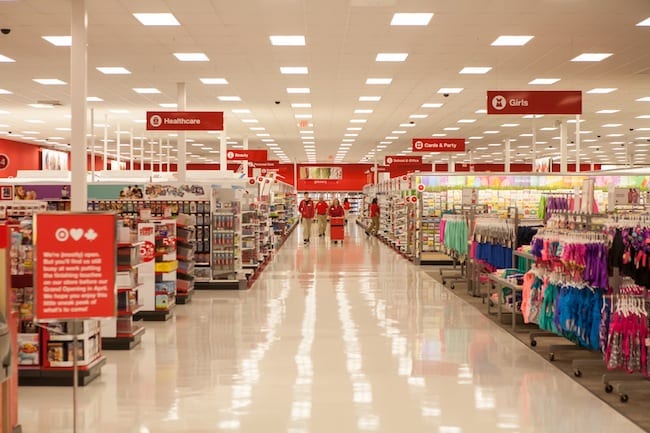
TARGET’S NEW RULES FOR VENDORS TO TIGHTEN UP SUPPLY CHAIN AND INVENTORY

Target Corp is tightening its supply chain requirements for its vendors as part of a multi-billion dollar plan. The rules, effective May 30, include tighter deadlines for deliveries to warehouses, and fines for late deliveries and inaccuracies in product information.

Says Target’s COO, John Mulligan, vendors need to help keep shelves stocked, maximize sales and control costs. A letter was sent to suppliers. In the letter, Target stated the goal to keep products stocked to “lower missed sales for all of us.” Target US stores in 2015 held 8 to 9 billion items on store floors, in transit or in warehouses at any point in time.

The new rules will be phased on over the summer, with household, paper, and pet products needing to comply in June, health and beauty complying by July and apparel, home and electronics in August.

Source: Reuters.com