
Case Study
BUBBLE SKINCARE
The Client
Bubble Skincare is a fast-growing beauty brand operating in more than 19,000 retail stores across North America, the UK, and Australia. As the brand scaled, it needed a clearer, more reliable way to see store-level inventory performance across multiple retail partners and stores.
The Challenge
Retail partners such as Sophora, Ulta, and Target provided data reports in different formats, with different structures and reporting cadences. While sales data was available, it required significant manual effort to consolidate before it could be analysed consistently. Making it difficult to get a single overview of performance.
The team could see what had sold but struggled to understand why products performed differently across stores, or whether dips in sales reflected genuine demand changes or availability issues.
Over time, the effort required to consolidate reports limited the team’s ability to focus on deeper analysis, and critical demand signals risked being obscured by inconsistent data.
The structural dynamics behind these availability distortions are explored in more depth in this analysis of how out-of-stocks distort retail demand signals.
The Use Case
Bubble implemented Accelerated Analytics to consolidate retail performance data into a single, standardised view across partners.
Instead of manually stitching together multiple retailer reports, the team gained consistent SKU-level and store-level visibility across its entire retail distribution network. This allowed performance to be analysed on a like-for-like basis, regardless of where the data originated.
With a unified dataset, Bubble could interpret sales patterns, identify where products were selling faster than supply could keep up, and distinguish between true demand shifts and reporting artefacts caused by fragmented data.
A broader overview of how this consolidation works across retail partners like Ulta and Sephora can be seen in the accelerated analytics product overview.
Business Impact
By removing the burden of manual data consolidation, Bubble freed up time to focus on analysis rather than preparation. Planning and forecasting discussions became more grounded, with a shared understanding of performance across retailers.
The team gained clearer visibility into where reported sales were understating actual demand, helping to surface potential revenue opportunities that were previously hidden.
Decisions around allocation and planning were supported by evidence rather than assumptions, improving confidence across commercial teams.

Why This Matters for Beauty Brands
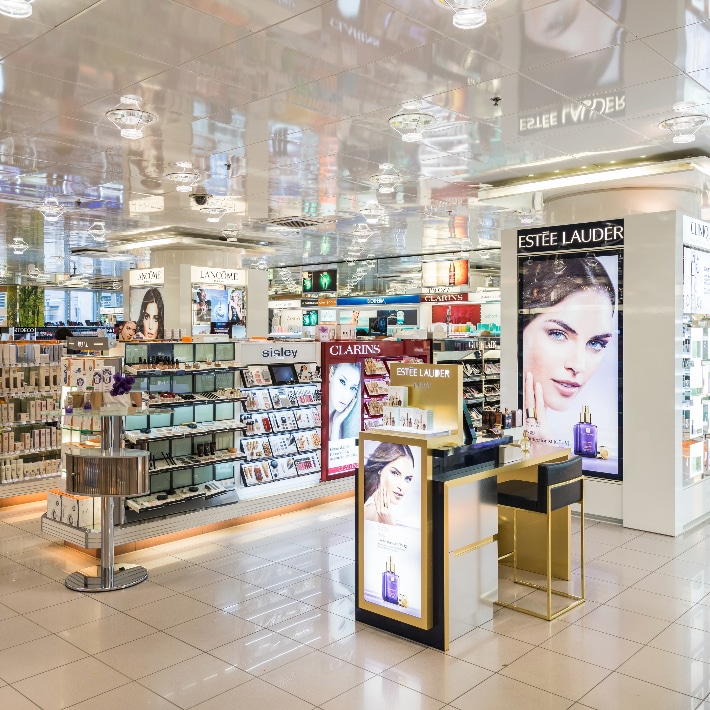
For beauty brands selling through multi-door retail environments such as Sephora, Ulta, and other national retailers, fragmented reporting is more than an efficiency problem.
When performance data lives in separate systems and formats, it becomes challenging to see how availability affects demand, where stockouts suppress sales, and which products deserve greater investment. Without a consolidated view, brands risk planning against incomplete demand signals and missing revenue opportunities as they scale.
Bubble’s experience shows that unifying retail data into a single, reliable view is often the first step toward uncovering hidden demand, improving decision-making, and protecting revenue growth.
What You Can Do Next
If you recognise these challenges in your own retail data, here are a few practical ways to explore the issue further:
For brands operating within similar retail ecosystems, the next step is often validating whether comparable demand distortions exist within their own store and SKU data. This can be reviewed directly against your own retail footprint through a short, no-commitment platform overview via the demo booking page.
Where to Go Next
If these challenges feel familiar, the natural next step is to explore the scale of this missed opportunity using real data:
See how beauty brands can maximise revenue and minimise out-of-stocks Retail Analytics Product Overview
See how Bubble Skincare consolidated fragmented retail data to improve SKU- and store-level visibility Read the case study
Explore the impact of improved availability, can have on your own retail data Book a demo